
Solar Inverter Cost: What You’ll Pay (and Why It Varies)
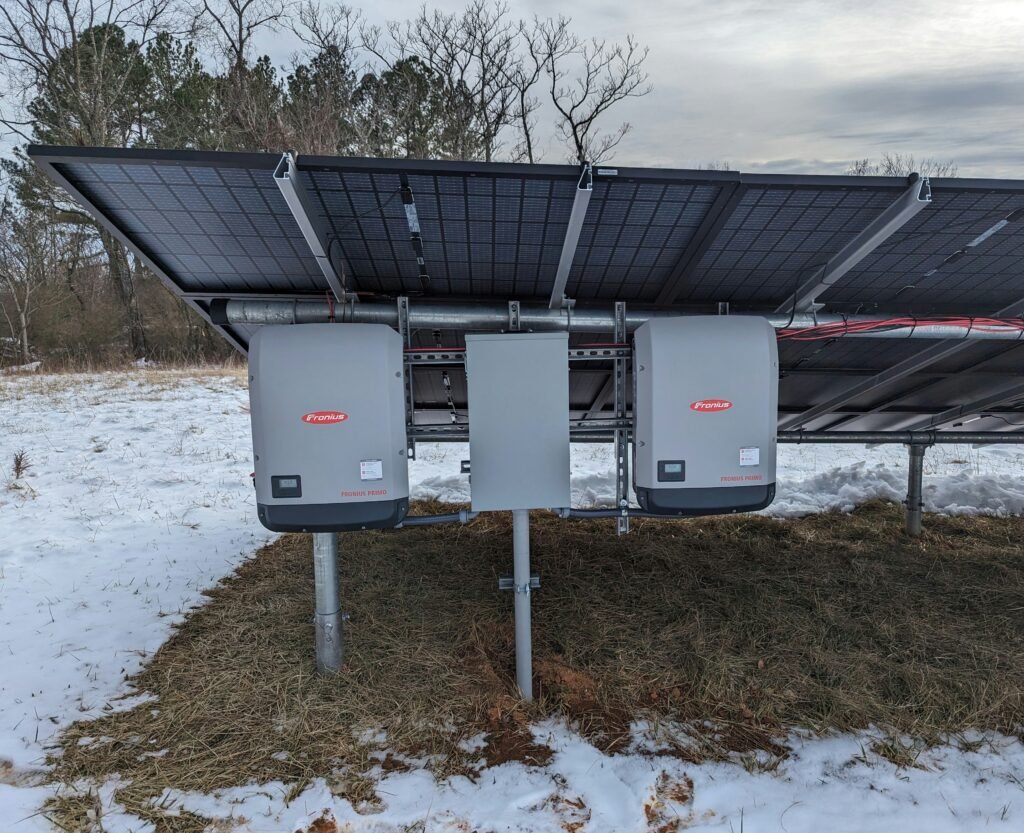
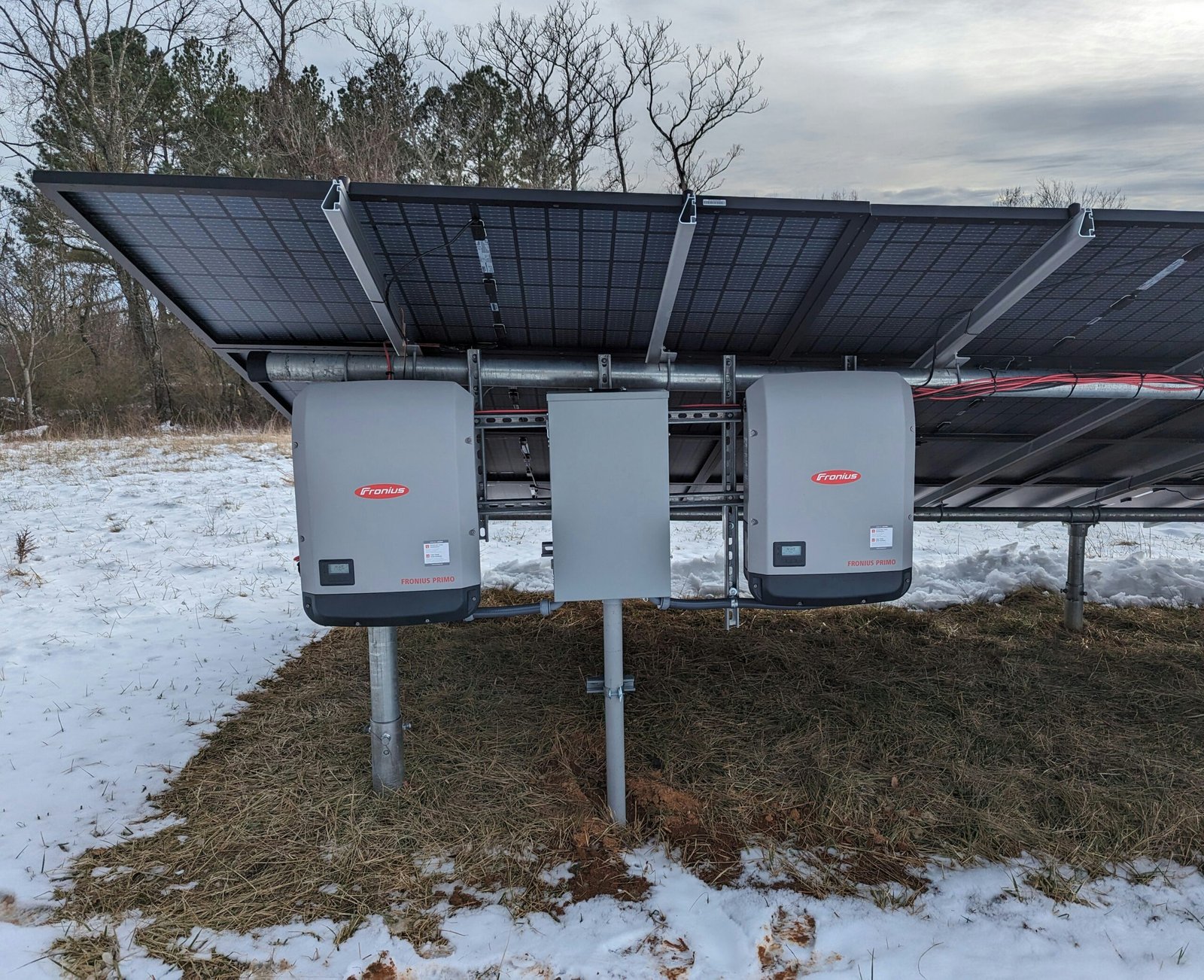
Solar inverter cost sounds simple until you try to price it like a household appliance. An inverter is not “just a box.” It is the electrical control center of the entire solar system, and its price depends on inverter type, electrical scope, safety requirements, and whether it is expected to manage batteries or backup circuits.
If you want a realistic number without guessing, you must separate two costs homeowners constantly mix up:
- Inverter hardware cost — the equipment itself
- Inverter-related installed cost — labor, wiring, electrical modifications, and commissioning
A homeowner hears “$1,500 inverter” and assumes the line item should land somewhere near that. Then the quote arrives at $4,000 and feels inflated.
Most of that gap is electrical work — not the inverter.
This page is a pricing anchor only. It does not recommend brands and does not size your system. Its job is to help you recognize a fair inverter budget instantly.
Quick Pricing Anchors (Read This First)
Typical U.S. residential guardrails:
- String inverter hardware: ~$1,000–$3,000
- Hybrid inverter hardware: typically 20–40% higher than comparable string units
- Microinverters: roughly $150–$250 per panel
⚠️ Reality check:
According to cost modeling from the National Renewable Energy Laboratory (NREL), inverter hardware typically represents a modest share of total residential system cost — installation labor and electrical scope often dominate.
That means the inverter rarely explains a “high” quote by itself.
The Three Main Inverter Types (And How Their Pricing Behaves)
String Inverter (Central)
One primary inverter manages the entire solar array.
Why pricing is predictable:
- fewer components
- simpler wiring
- centralized installation
- mounting systems
Costs scale mostly with kW rating and feature set.
However, shading, roof segmentation, or long conduit runs can introduce hardware adders like optimizers or increase labor.
👉 Pricing behavior: one larger box + straightforward install — unless the house makes wiring difficult.
Microinverters (One Per Panel)
Installed beneath each module, converting power kit at the panel.
Why totals rise quickly:
- you purchase one unit per panel
- more rooftop connections
- longer installation time
A practical anchor homeowners can remember:
👉 Microinverters often total $150–$250 per panel (hardware).
For a 20-panel system:
$3,000–$5,000 hardware alone.
Suddenly the quote makes sense.
👉 Want deeper context on panel counts and system sizing?
See Solar Panel Kits for Home for a full pricing walkthrough.
Hybrid Inverters (Battery-Capable)
Hybrid units manage solar plus battery charging and backup behavior.
They include:
- battery-control electronics
- advanced firmware
- additional commissioning
- transfer logic integration
Compared with similar-sized string inverters, hybrid hardware typically runs:
👉 ~20–40% higher.
That premium is for control capability — not additional solar production.
If batteries are not in your near-term plan, you may be paying for dormant capability.
👉 Planning storage? Read Solar Battery Backup before committing to hybrid hardware.
Typical Solar Inverter Cost Ranges (Hardware Only)
Inverter Type | Pricing Method | Typical Range |
String | per inverter | $1,000–$3,000 |
Hybrid | per inverter | ~20–40% above string |
Microinverters | per panel | $150–$250 |
Guardrails — not guarantees. Premium features, very small systems, or unusual electrical layouts can move outside these bands.
Where Quotes Actually Swing: Electrical Scope
This is the portion homeowners underestimate.
Inverter-Related Work | Typical Cost Behavior |
Basic installation | predictable |
Long conduit runs | costs climb fast |
Code-required disconnects | moderate adders |
Panel limitations | minor → significant |
Backup integration | biggest surprise |
A blunt field reality:
Two identical homes can see thousands of dollars difference simply because one has clean attic access and the other requires finished-wall routing.
Labor and access routinely outrank hardware price.
A Realistic Pricing Example (Use This Mental Model)
Scenario:
8 kW residential system
20 panels
moderate roof complexity
Option A — String inverter
- Hardware: ~$1,800
- Electrical + install: ~$1,500–$2,500
👉 Estimated inverter line item: $3,300–$4,300
Option B — Microinverters
- Hardware: ~$3,000–$5,000
- Labor: higher rooftop time
👉 Estimated line item: $4,500–$7,000
Option C — Hybrid inverter
- Hardware: ~$2,200–$3,500
- Backup prep + commissioning
👉 Estimated line item: $4,000–$8,000
Now most quotes stop looking mysterious.
Quote Decoder for Homeowners
Before reacting to price, ask installers for two numbers:
✅ inverter hardware
✅ inverter-related electrical scope
When separated, confusion disappears.
When bundled, homeowners assume markup.
Transparency usually signals installer maturity.
Hidden Adders That Inflate Inverter Pricing
These are rarely labeled as inverter cost — but they are triggered by inverter work.
- difficult conduit routing
- breaker reconfiguration
- subpanel additions
- safety disconnect hardware
- legacy wiring cleanup
- backup preparation
⚠️ The older the home, the less predictable this category becomes.
The U.S. Department of Energy has repeatedly identified “soft costs” like labor and permitting as major drivers of residential solar pricing — often exceeding hardware influence.
When Cheaper Becomes Expensive
Choosing the lowest hardware price can create downstream costs.
Examples seen repeatedly in the field:
- undersized inverter limiting expansion
- incompatible battery upgrades
- constrained panel layouts
- premature replacement
Saving $600 upfront can cost several thousand later if the system must be redesigned.
Solar is infrastructure — not a disposable appliance.
Inverter Lifespan Planning (Budget Honestly)
Panels often last decades. Inverters are electronic equipment.
Type | Planning Range | Real Meaning |
String | ~10–15 yrs | expect one replacement |
Hybrid | ~10–15 yrs | similar electronics |
Micro | ~20–25 yrs/module | individual swaps |
Heat, ventilation, humidity, and installation quality influence longevity more than spec sheets suggest.
Budgeting for replacement is realism — not pessimism.
Replacement vs New Install Pricing
Replacement usually includes:
- hardware swap
- labor
- commissioning
- possible permits
Sometimes cheaper than new install.
Sometimes complicated — especially if electrical codes evolved since the original system.
Electrical standards move faster than panel lifespans.
Cost Per Watt — Use It Carefully
System pricing is typically expressed as $/W.
That number includes:
- panels
- racking
- labor
- permitting
- electrical
- overhead
It is not an inverter metric.
Still, it provides context.
If your total system price looks competitive, your inverter line item usually is too — even if it feels high in isolation.
Focus on the system, not the box.
A Simple Estimator Before Getting Quotes
Collect four inputs:
- panel count
- roof complexity
- battery intent
- main panel condition
Then apply this logic:
Simple roof + no batteries → string pricing predictable.
Complex roof → micro totals rise with panel count.
Battery intent → expect hybrid premium + electrical adders.
This won’t replace a quote — but it eliminates sticker shock.
What This Page Is NOT
This is a pricing anchor.
It does NOT:
- recommend brands
- compare performance
- size solar systems
- determine inverter efficiency
Those belong on decision pages.
Keeping this page pricing-only improves clarity — and rankings.
Bottom Line (Price Anchor, Not Verdict)
A realistic inverter budget comes from matching inverter type to roof conditions and battery intent — then accounting for electrical scope.
Hardware is predictable.
Installation is where variability lives.
If you want a quote to feel fair, ask installers to separate hardware from electrical work.
That single step resolves most pricing confusion before it begins.